
Is It Time to Upgrade to a High Efficiency Boiler?
Your boiler works quietly in the background every day, keeping your home warm and your hot water flowing.

Why you can trust our content
We understand that the boiler industry can be confusing, with plenty of outdated or misleading information. That’s why we rely only on trusted, proven sources to guide our advice and installations:

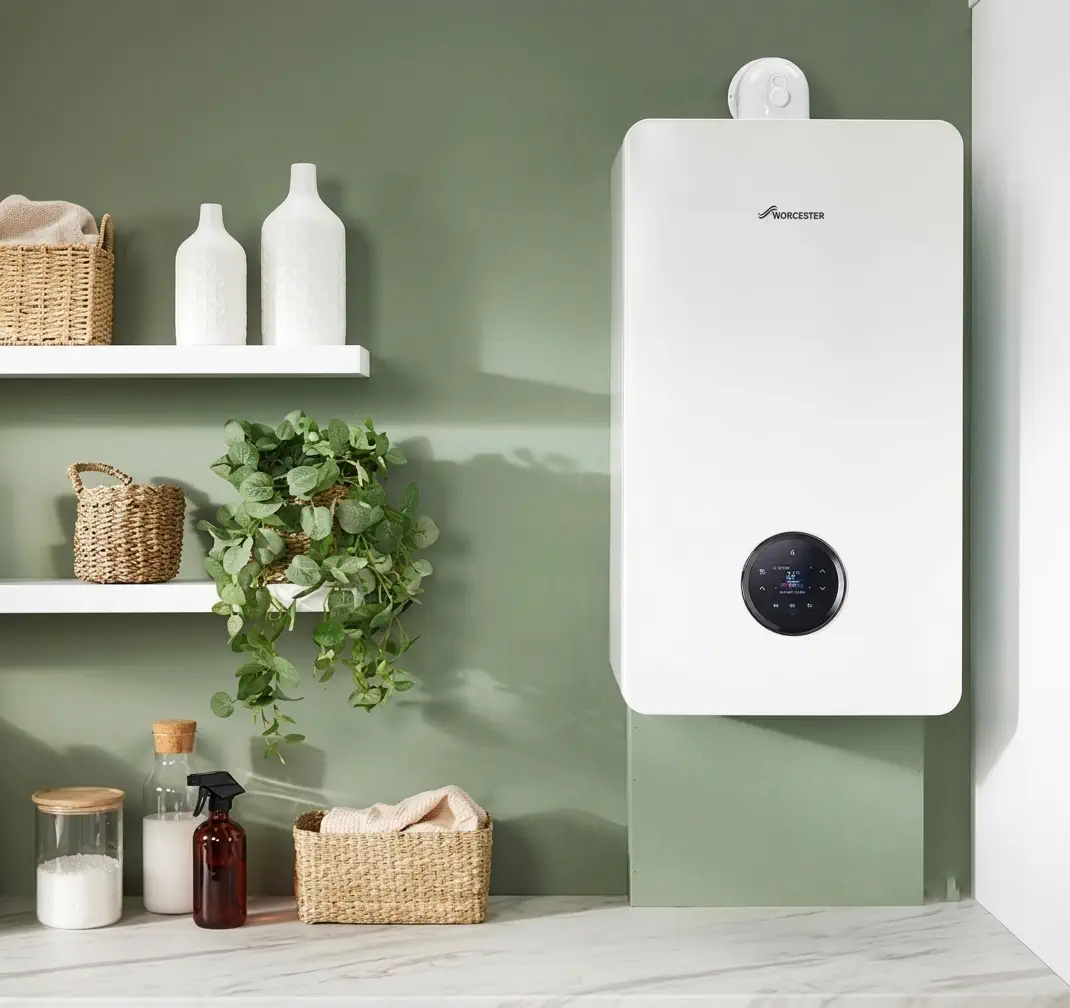
But like any appliance, it has a lifespan, and there comes a point where persisting with an ageing unit costs more than it saves. If you’ve been asking yourself whether it’s time to upgrade, this guide will help you assess the situation honestly and understand what a high-efficiency boiler could offer your home.
Whether your current boiler is limping along or simply due a review, the signs are often clearer than you’d expect.
If you’d like tailored advice from a local specialist, you can request a free no-obligation quote from HeatSwift today.
What are the tell-tale signs your boiler needs replacing?
There are several signals that point towards a replacement rather than another repair. Age is one of the most straightforward indicators. Most gas boilers have a serviceable lifespan of around ten to fifteen years, and once a unit passes that point, efficiency tends to drop and breakdowns become more frequent.
Other warning signs include:
- Heating bills rising without any change in usage habits
- Unusual noises such as banging, kettling or whistling
- Inconsistent heating, with some rooms colder than others
- A yellow or orange flame instead of a clean blue one
- Visible rust, corrosion or water pooling around the unit
- The boiler struggling to maintain pressure
If you’re experiencing two or more of these at the same time, a replacement is likely the more sensible long-term option.
How high efficiency boilers work differently
Modern condensing boilers are designed to extract as much heat as possible from the fuel they burn. Unlike older models that lose a significant amount of heat through the flue, a high efficiency boiler captures those waste gases and recycles the energy back into the heating system. This process makes them considerably more efficient than earlier generations.
Older G-rated boilers can operate at efficiencies well below 80%, meaning a meaningful portion of every unit of gas is simply wasted. Contemporary A-rated models achieve efficiencies of 90% or above. For homeowners in Guildford and across Surrey, that kind of performance difference adds up substantially over a full heating season.
The technology has also become more compact and quieter, making modern units far less intrusive in the home.
Which fuel powers your boiler?
Mains Gas
LPG
Oil
It just takes 60 Seconds
And then you can book a free consultation
Repair vs replace: how do you decide?
This is one of the most common questions homeowners face, and the answer usually depends on the age of the unit and the nature of the fault. A straightforward repair on a relatively new boiler often makes good financial sense. However, when a boiler is over a decade old and requires repeated attention, the cumulative repair costs can quickly outpace the value of continuing to maintain it.
A useful rule of thumb is to consider the cost of the repair relative to the value of the boiler. If a single repair is approaching half the cost of a new unit, and the boiler has already seen several call-outs in recent years, upgrading becomes the more logical choice.
Speaking with a qualified boiler fitter in Guildford will give you an honest, unbiased view based on the actual condition of your system.
|
Situation |
Likely Recommendation |
|---|---|
|
Boiler under 8 years old, single fault |
Repair |
|
Boiler 8–12 years old, first major fault |
Repair and review |
|
Boiler over 12 years old, repeated faults |
Consider replacing |
|
Boiler over 15 years old, any fault |
Replacement advised |
|
Low efficiency rating, rising bills |
Replacement worthwhile |
|
Visible corrosion or structural damage |
Replacement required |
What to expect from a new boiler installation
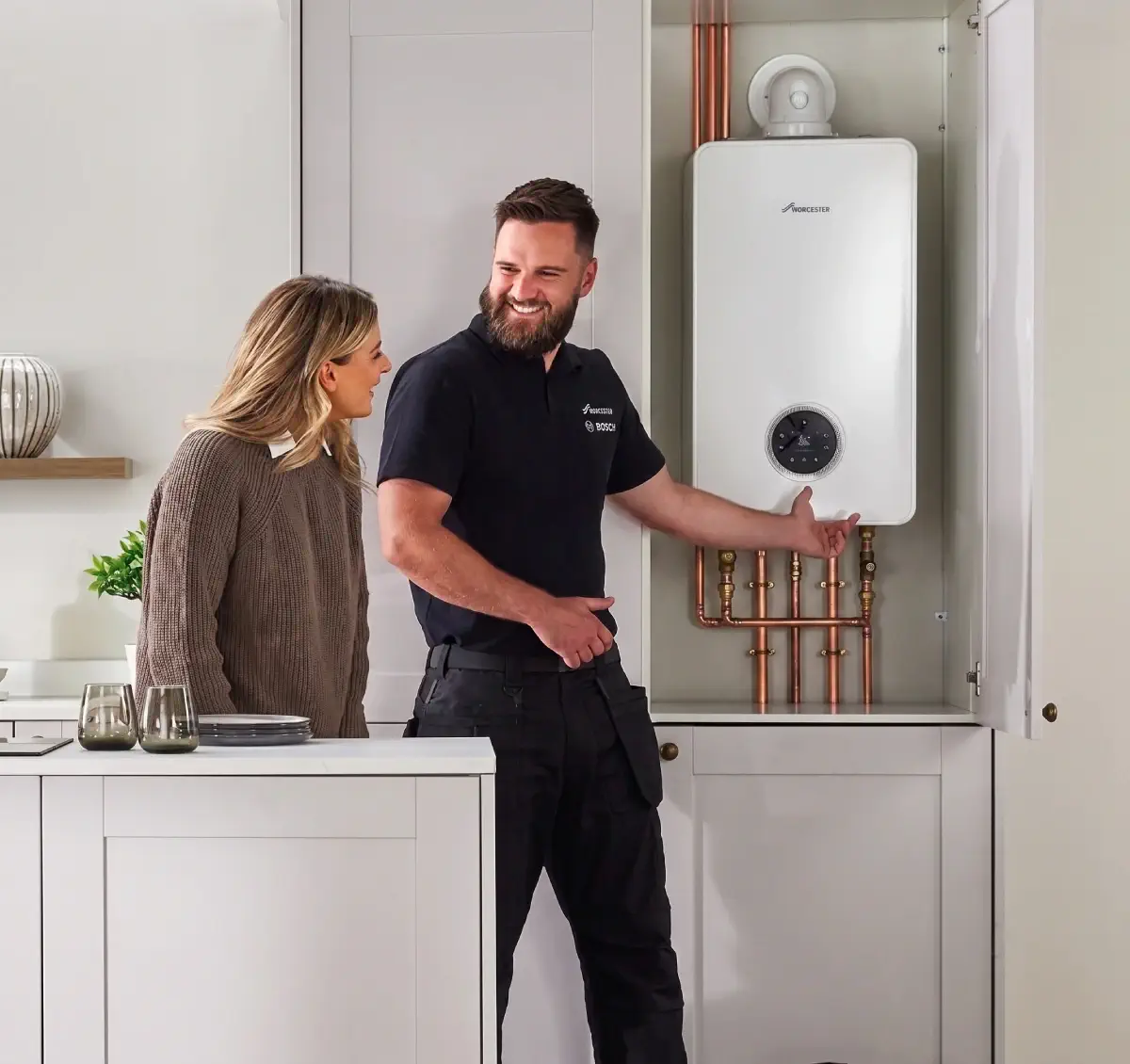
Having a new boiler fitted is a much more straightforward process than many homeowners anticipate. A good Gas Safe registered engineer will survey your property first, assess your heating demands and recommend the most suitable unit for your home. The fit itself is typically completed within a day for a like-for-like swap.
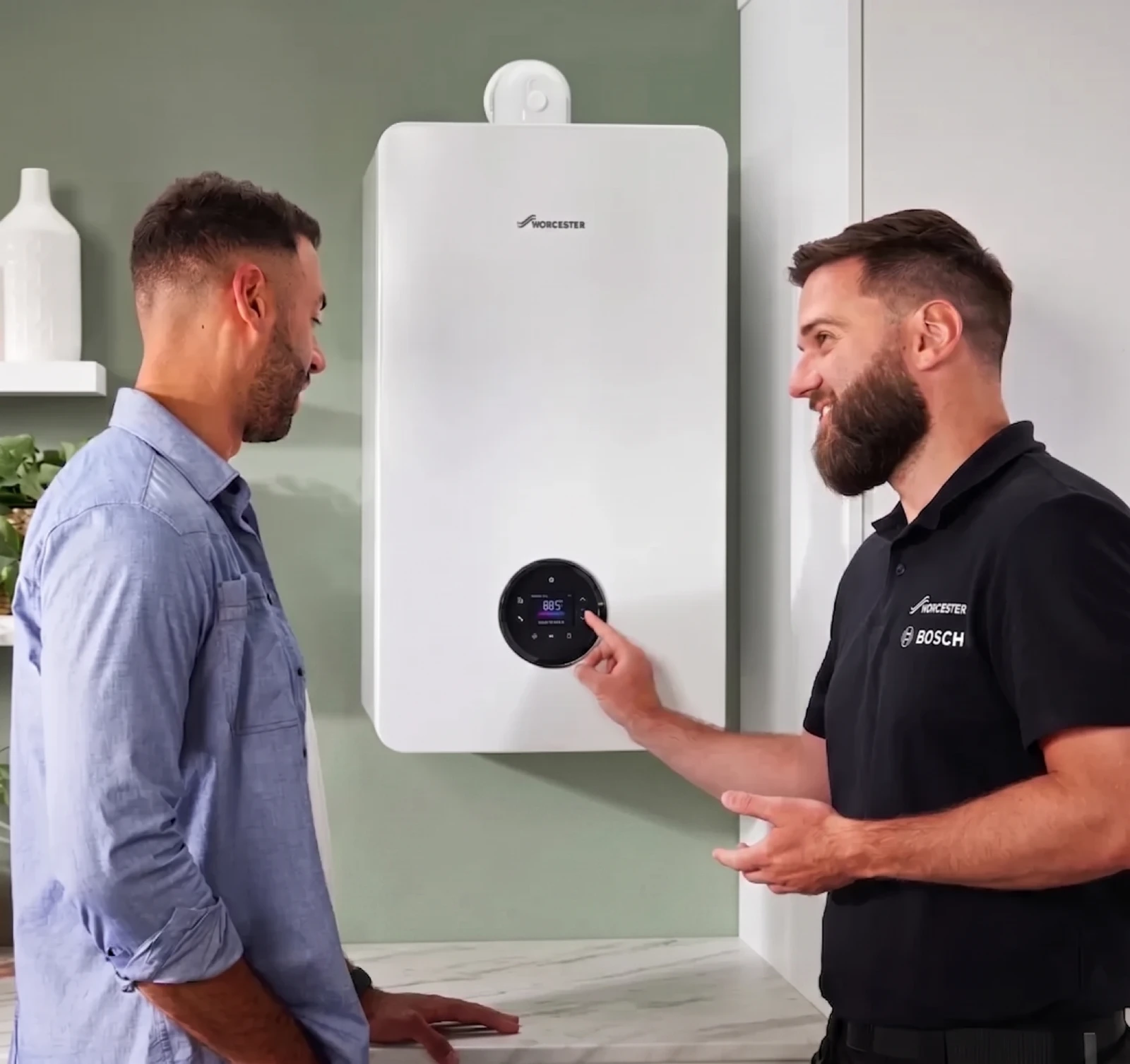
Premium brands such as Worcester Bosch, Vaillant and Baxi offer excellent reliability and come with manufacturer warranties, providing peace of mind alongside the improved performance. Your fitter should also demonstrate the new controls, explain how to operate them efficiently and outline what ongoing servicing is recommended to keep the warranty valid.
Post-installation support matters too. Signing up to a care plan such as HeatSwift Protect means you have cover in place from day one.
Final thoughts
Upgrading to a high-efficiency boiler is one of the most impactful improvements you can make to your home’s heating system. Whether your current unit is showing its age or you simply want a more reliable and efficient setup, the long-term benefits are clear.
If you’re based in Guildford or the surrounding Surrey area and would like expert guidance, contact HeatSwift today to discuss your options and request a bespoke installation quote.
Related articles

Which fuel powers your boiler?
Mains Gas
LPG
Oil
At a glance
But like any appliance, it has a lifespan, and there comes a point where persisting with an ageing unit costs more than it saves. If you’ve been asking yourself whether it’s time to upgrade, this guide will help you assess the situation honestly and understand what a high-efficiency boiler could offer your home.
Whether your current boiler is limping along or simply due a review, the signs are often clearer than you’d expect.
If you’d like tailored advice from a local specialist, you can request a free no-obligation quote from HeatSwift today.
What are the tell-tale signs your boiler needs replacing?
There are several signals that point towards a replacement rather than another repair. Age is one of the most straightforward indicators. Most gas boilers have a serviceable lifespan of around ten to fifteen years, and once a unit passes that point, efficiency tends to drop and breakdowns become more frequent.
Other warning signs include:
- Heating bills rising without any change in usage habits
- Unusual noises such as banging, kettling or whistling
- Inconsistent heating, with some rooms colder than others
- A yellow or orange flame instead of a clean blue one
- Visible rust, corrosion or water pooling around the unit
- The boiler struggling to maintain pressure
If you’re experiencing two or more of these at the same time, a replacement is likely the more sensible long-term option.
How high efficiency boilers work differently
Modern condensing boilers are designed to extract as much heat as possible from the fuel they burn. Unlike older models that lose a significant amount of heat through the flue, a high efficiency boiler captures those waste gases and recycles the energy back into the heating system. This process makes them considerably more efficient than earlier generations.
Older G-rated boilers can operate at efficiencies well below 80%, meaning a meaningful portion of every unit of gas is simply wasted. Contemporary A-rated models achieve efficiencies of 90% or above. For homeowners in Guildford and across Surrey, that kind of performance difference adds up substantially over a full heating season.
The technology has also become more compact and quieter, making modern units far less intrusive in the home.
Which fuel powers your boiler?
Mains Gas
LPG
Oil
It just takes 60 Seconds
And then you can book a free consultation
Repair vs replace: how do you decide?
This is one of the most common questions homeowners face, and the answer usually depends on the age of the unit and the nature of the fault. A straightforward repair on a relatively new boiler often makes good financial sense. However, when a boiler is over a decade old and requires repeated attention, the cumulative repair costs can quickly outpace the value of continuing to maintain it.
A useful rule of thumb is to consider the cost of the repair relative to the value of the boiler. If a single repair is approaching half the cost of a new unit, and the boiler has already seen several call-outs in recent years, upgrading becomes the more logical choice.
Speaking with a qualified boiler fitter in Guildford will give you an honest, unbiased view based on the actual condition of your system.
|
Situation |
Likely Recommendation |
|---|---|
|
Boiler under 8 years old, single fault |
Repair |
|
Boiler 8–12 years old, first major fault |
Repair and review |
|
Boiler over 12 years old, repeated faults |
Consider replacing |
|
Boiler over 15 years old, any fault |
Replacement advised |
|
Low efficiency rating, rising bills |
Replacement worthwhile |
|
Visible corrosion or structural damage |
Replacement required |
What to expect from a new boiler installation
Having a new boiler fitted is a much more straightforward process than many homeowners anticipate. A good Gas Safe registered engineer will survey your property first, assess your heating demands and recommend the most suitable unit for your home. The fit itself is typically completed within a day for a like-for-like swap.
Premium brands such as Worcester Bosch, Vaillant and Baxi offer excellent reliability and come with manufacturer warranties, providing peace of mind alongside the improved performance. Your fitter should also demonstrate the new controls, explain how to operate them efficiently and outline what ongoing servicing is recommended to keep the warranty valid.
Post-installation support matters too. Signing up to a care plan such as HeatSwift Protect means you have cover in place from day one.
Final thoughts
Upgrading to a high-efficiency boiler is one of the most impactful improvements you can make to your home’s heating system. Whether your current unit is showing its age or you simply want a more reliable and efficient setup, the long-term benefits are clear.
If you’re based in Guildford or the surrounding Surrey area and would like expert guidance, contact HeatSwift today to discuss your options and request a bespoke installation quote.



