
How to Choose the Right Boiler for Your Home
With several boiler types on the market and a wide range of brands and models to consider, choosing the right unit for your home can feel overwhelming.

Why you can trust our content
We understand that the boiler industry can be confusing, with plenty of outdated or misleading information. That’s why we rely only on trusted, proven sources to guide our advice and installations:
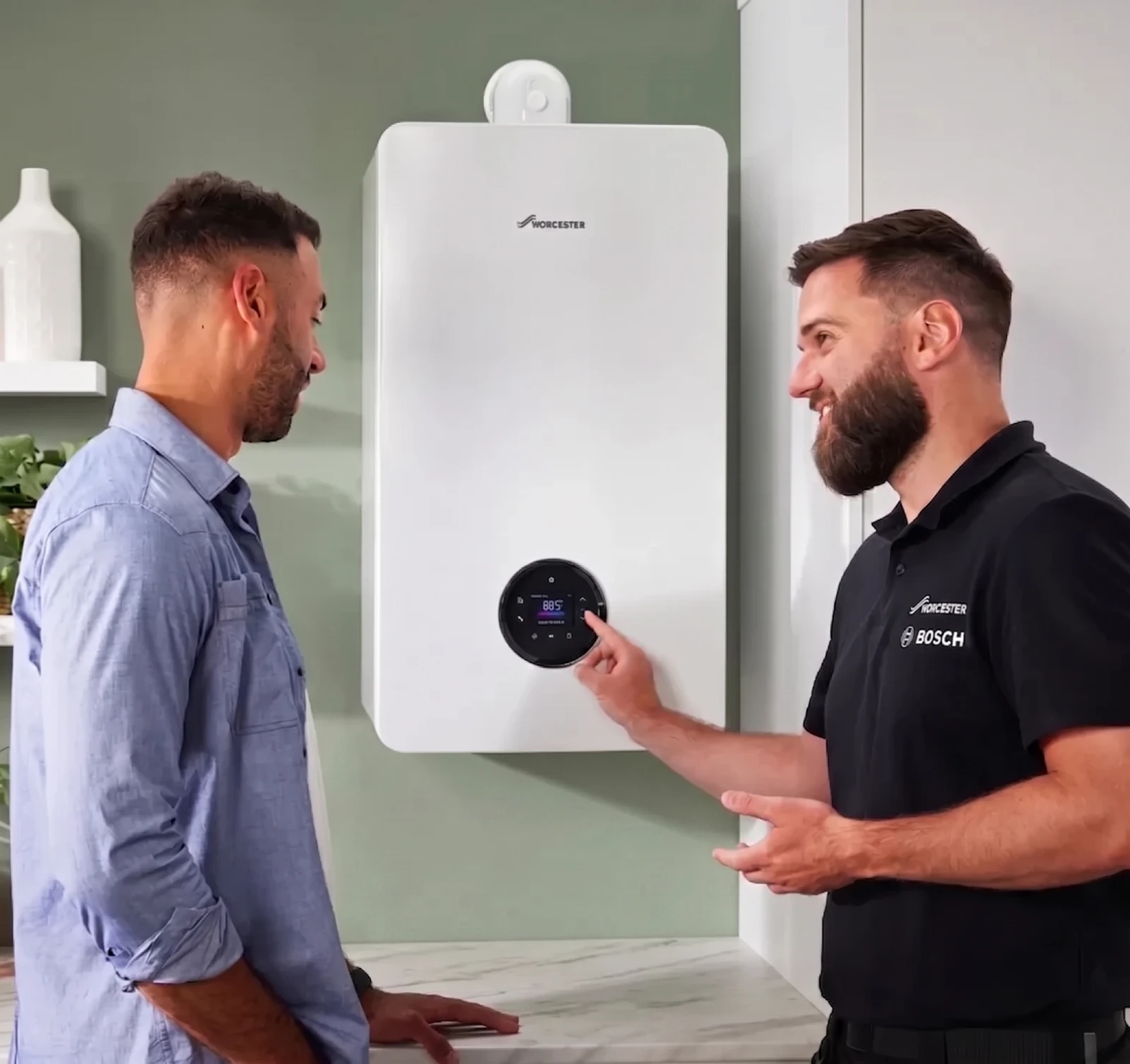
Get it right, though, and you’ll have a heating system that suits your property perfectly, runs efficiently and serves you reliably for many years. Get it wrong, and you may find yourself with a unit that struggles to meet your household’s demands.
This guide breaks down the key factors to consider so you can approach the decision with clarity and confidence.
For personalised guidance based on your property and requirements, you’re welcome to request a bespoke boiler installation quote from HeatSwift.
What are the different types of boiler available?
Before anything else, it helps to understand the three main boiler types and what each one is designed to do.
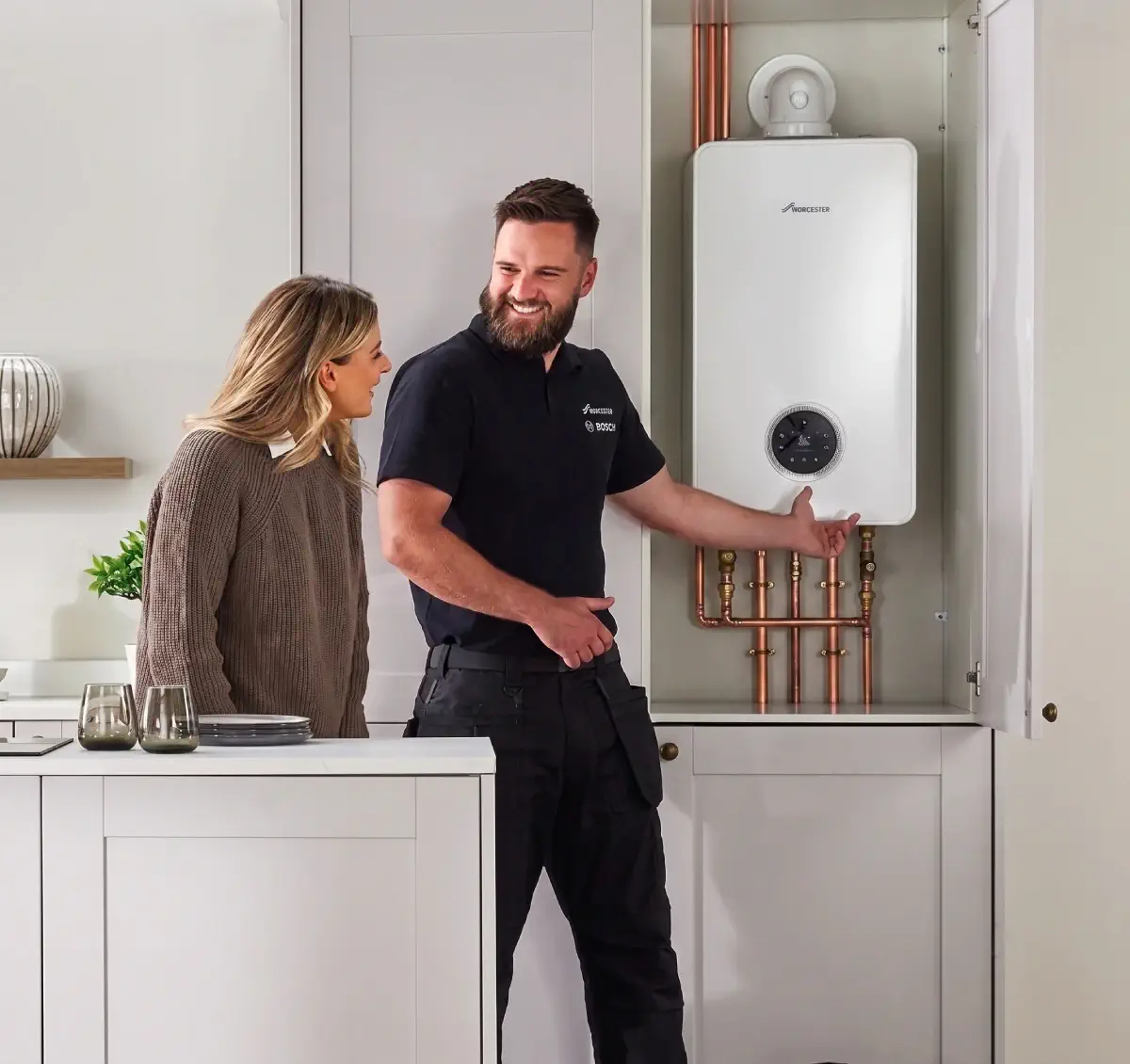
Combi boilers heat water on demand and do not require a separate hot water cylinder or cold water tank. They are compact, efficient and well-suited to smaller to medium-sized homes with one bathroom.
System boilers work alongside a hot water cylinder and are a good fit for homes with higher hot water demand. They can supply multiple taps and showers simultaneously without a drop in pressure.
Regular (heat-only) boilers work with both a cylinder and a cold water tank in the loft. They are often found in older properties with existing traditional heating setups and suit homes where hot water demand is consistently high.
Understanding which category your home falls into is the starting point for every boiler recommendation.
Does property size and layout really matter?
Yes, significantly. The size of your home and the number of radiators in your system directly influence the output you need from a boiler. An undersized unit will struggle to heat the property adequately, while an oversized one will cycle on and off inefficiently, wasting fuel and causing unnecessary wear.
A qualified boiler fitter will carry out a heat loss calculation to determine the appropriate output for your home. This takes into account floor area, insulation levels, window types and how many people live in the property. Skipping this step and simply replacing like for like is not always the right approach, particularly if your home has been extended or improved since the original boiler was fitted.
For homeowners in Twickenham and the wider Surrey area, the mix of property types, from Victorian terraces to modern detached homes, means a tailored assessment is always worthwhile.
|
Boiler Type |
Best Suited To |
Hot Water Storage Needed |
Space Required |
|---|---|---|---|
|
Combi |
Smaller homes, 1 bathroom |
No |
Compact, fits in a cupboard |
|
System |
Medium to large homes, 2+ bathrooms |
Yes, cylinder only |
Airing cupboard for cylinder |
|
Regular |
Larger or older properties |
Yes, cylinder and loft tank |
More space required |
Which fuel powers your boiler?
Mains Gas
LPG
Oil
It just takes 60 Seconds
And then you can book a free consultation
Choosing the right boiler brand
Brand selection matters, particularly in terms of reliability, warranty coverage and availability of parts. At HeatSwift, we work with a focused range of premium manufacturers, including Worcester Bosch, Vaillant and Baxi, all of which are well-regarded across the industry for build quality and after-sales support.
Choosing a reputable brand is especially important because the warranty is only as good as the manufacturer standing behind it. Premium brands tend to offer longer, more comprehensive warranties when fitted by an approved installer, which provides genuine long-term reassurance.
It is worth being cautious of quotes that feature unfamiliar or budget brands purely on the basis of a lower upfront figure. The lifetime cost of a boiler includes servicing, potential repairs and the ease of sourcing parts, all of which tend to be better with established manufacturers.
What else should you consider before committing?
Beyond boiler type and brand, there are a few additional factors worth thinking about before you confirm your choice.
Smart controls are increasingly important. Many homeowners now want the convenience of controlling their heating remotely via a smartphone app. Modern boilers from leading brands integrate well with smart thermostats such as Hive, Nest and Worcester’s own Wave system.
Flue positioning can also affect your options. The flue must terminate in an approved external location, and some properties have restrictions based on planning or building layout that limit where the boiler can be sited.
Future-proofing is another consideration. As the UK moves towards hydrogen-blend gas and heat pump technology, some modern boilers are designed with compatibility in mind. Your engineer can advise on which units are best positioned for any future regulatory changes.
Choosing the right fit for a family home
A four-bedroom detached property with two bathrooms and a busy household would not be well-served by a standard combi boiler. The simultaneous hot water demand from multiple outlets would quickly expose its limitations. In this case, a system boiler paired with a well-sized cylinder would be a far more appropriate choice.
Conversely, a two-bedroom flat in Richmond with a single bathroom and a single occupant would be ideally served by a compact combi unit, which takes up minimal space and delivers excellent efficiency for modest demand.
These scenarios illustrate why a one-size-fits-all approach simply does not work. Every home and household is different, and a proper survey by a qualified engineer is the only reliable way to match the right boiler to the right property.
Final thoughts
Choosing the right boiler comes down to understanding your property, your household’s hot water demands and your long-term priorities. With the right guidance and a quality installation from a trusted engineer, you can invest with confidence.
HeatSwift works with homeowners across Guildford and throughout Surrey to recommend, supply and fit the right boiler for each property. With transparent quotes, premium brand expertise and an outstanding Checkatrade rating, we’re here to make the process straightforward. Get in touch today to book your free survey.
Related articles
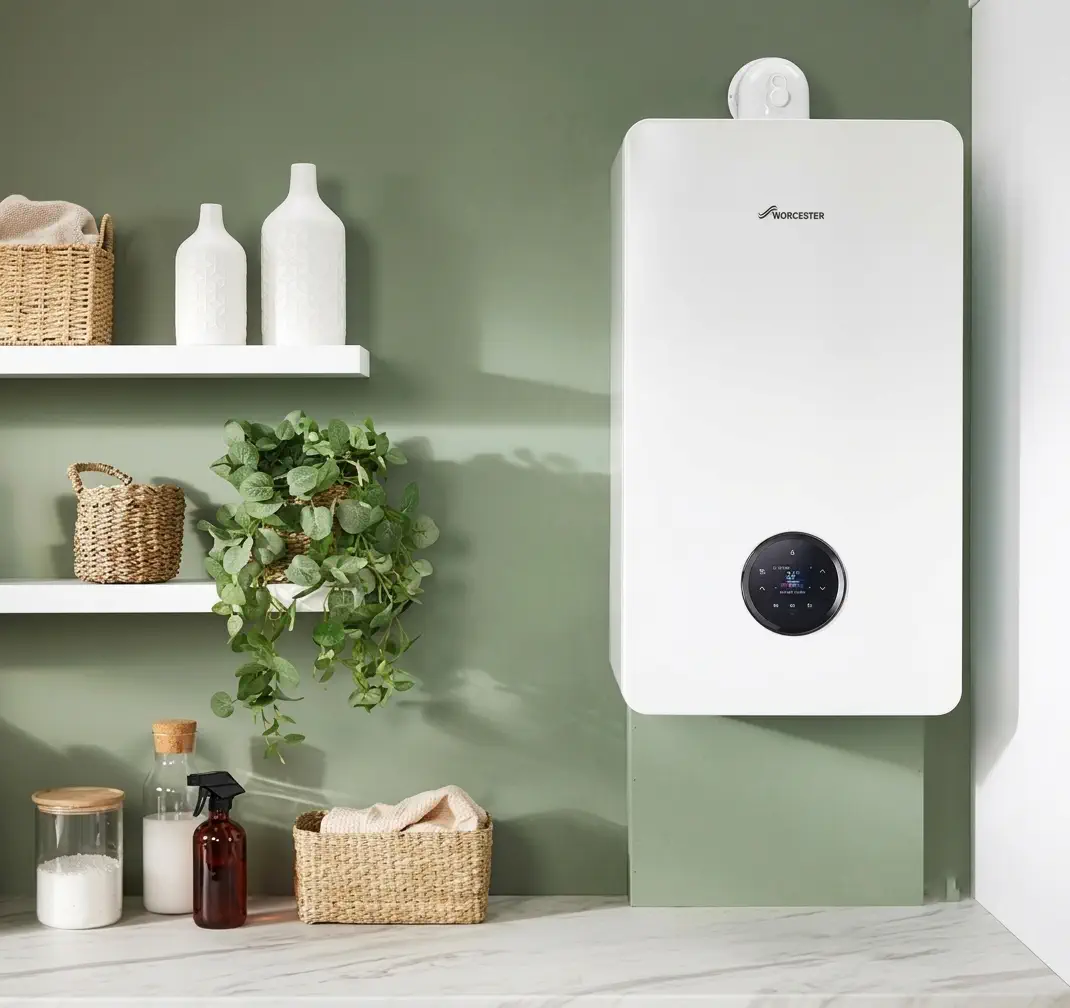

Which fuel powers your boiler?
Mains Gas
LPG
Oil
At a glance
Get it right, though, and you’ll have a heating system that suits your property perfectly, runs efficiently and serves you reliably for many years. Get it wrong, and you may find yourself with a unit that struggles to meet your household’s demands.
This guide breaks down the key factors to consider so you can approach the decision with clarity and confidence.
For personalised guidance based on your property and requirements, you’re welcome to request a bespoke boiler installation quote from HeatSwift.
What are the different types of boiler available?
Before anything else, it helps to understand the three main boiler types and what each one is designed to do.
Combi boilers heat water on demand and do not require a separate hot water cylinder or cold water tank. They are compact, efficient and well-suited to smaller to medium-sized homes with one bathroom.
System boilers work alongside a hot water cylinder and are a good fit for homes with higher hot water demand. They can supply multiple taps and showers simultaneously without a drop in pressure.
Regular (heat-only) boilers work with both a cylinder and a cold water tank in the loft. They are often found in older properties with existing traditional heating setups and suit homes where hot water demand is consistently high.
Understanding which category your home falls into is the starting point for every boiler recommendation.
Does property size and layout really matter?
Yes, significantly. The size of your home and the number of radiators in your system directly influence the output you need from a boiler. An undersized unit will struggle to heat the property adequately, while an oversized one will cycle on and off inefficiently, wasting fuel and causing unnecessary wear.
A qualified boiler fitter will carry out a heat loss calculation to determine the appropriate output for your home. This takes into account floor area, insulation levels, window types and how many people live in the property. Skipping this step and simply replacing like for like is not always the right approach, particularly if your home has been extended or improved since the original boiler was fitted.
For homeowners in Twickenham and the wider Surrey area, the mix of property types, from Victorian terraces to modern detached homes, means a tailored assessment is always worthwhile.
|
Boiler Type |
Best Suited To |
Hot Water Storage Needed |
Space Required |
|---|---|---|---|
|
Combi |
Smaller homes, 1 bathroom |
No |
Compact, fits in a cupboard |
|
System |
Medium to large homes, 2+ bathrooms |
Yes, cylinder only |
Airing cupboard for cylinder |
|
Regular |
Larger or older properties |
Yes, cylinder and loft tank |
More space required |
Which fuel powers your boiler?
Mains Gas
LPG
Oil
It just takes 60 Seconds
And then you can book a free consultation
Choosing the right boiler brand
Brand selection matters, particularly in terms of reliability, warranty coverage and availability of parts. At HeatSwift, we work with a focused range of premium manufacturers, including Worcester Bosch, Vaillant and Baxi, all of which are well-regarded across the industry for build quality and after-sales support.
Choosing a reputable brand is especially important because the warranty is only as good as the manufacturer standing behind it. Premium brands tend to offer longer, more comprehensive warranties when fitted by an approved installer, which provides genuine long-term reassurance.
It is worth being cautious of quotes that feature unfamiliar or budget brands purely on the basis of a lower upfront figure. The lifetime cost of a boiler includes servicing, potential repairs and the ease of sourcing parts, all of which tend to be better with established manufacturers.
What else should you consider before committing?
Beyond boiler type and brand, there are a few additional factors worth thinking about before you confirm your choice.
Smart controls are increasingly important. Many homeowners now want the convenience of controlling their heating remotely via a smartphone app. Modern boilers from leading brands integrate well with smart thermostats such as Hive, Nest and Worcester’s own Wave system.
Flue positioning can also affect your options. The flue must terminate in an approved external location, and some properties have restrictions based on planning or building layout that limit where the boiler can be sited.
Future-proofing is another consideration. As the UK moves towards hydrogen-blend gas and heat pump technology, some modern boilers are designed with compatibility in mind. Your engineer can advise on which units are best positioned for any future regulatory changes.
Choosing the right fit for a family home
A four-bedroom detached property with two bathrooms and a busy household would not be well-served by a standard combi boiler. The simultaneous hot water demand from multiple outlets would quickly expose its limitations. In this case, a system boiler paired with a well-sized cylinder would be a far more appropriate choice.
Conversely, a two-bedroom flat in Richmond with a single bathroom and a single occupant would be ideally served by a compact combi unit, which takes up minimal space and delivers excellent efficiency for modest demand.
These scenarios illustrate why a one-size-fits-all approach simply does not work. Every home and household is different, and a proper survey by a qualified engineer is the only reliable way to match the right boiler to the right property.
Final thoughts
Choosing the right boiler comes down to understanding your property, your household’s hot water demands and your long-term priorities. With the right guidance and a quality installation from a trusted engineer, you can invest with confidence.
HeatSwift works with homeowners across Guildford and throughout Surrey to recommend, supply and fit the right boiler for each property. With transparent quotes, premium brand expertise and an outstanding Checkatrade rating, we’re here to make the process straightforward. Get in touch today to book your free survey.



